

Do you ever look at your beautifully planned SAHM schedule—the one with the organized blocks for Morning Play and Afternoon Activities—and wonder why it still feels like chaos by 10:00 AM?
You have the “bones” of your day set. You know when breakfast is happening and when the toddler should be napping.
But it’s the time in between those big moments where the wheels fall off. It’s that awkward forty-five minutes before lunch when everyone is hangry, or the long stretch after nap time when the house is a wreck and you’re just trying to make it to supper.
Most moms are searching for a realistic stay at home mom daily routine because they are tired of rigid plans that don’t account for real life.
The secret isn’t a tighter schedule. It’s having a bank of ideas ready to go.

In my 4-Block Daily Rhythm, I call these Filler Activities. They are the “muscle” that fills the gaps in your routine, keeping your kids engaged and your home moving forward without the stress of a minute-by-minute plan.
Whether you need a quick game to burn off energy or a quiet craft so you can focus, this menu of 101+ easy activities is your new secret weapon for a manageable, peaceful day.
Quick Start: Find What You Need Fast
Before you scroll through 101 ideas and immediately feel tired just looking at it… don’t worry. You are not meant to do all of these.
This post is here to help you find one good idea for right now.
Kids melting down? Need ten minutes to finish supper? Trying to fill that weird gap before nap, lunch, or school pickup? Start here and jump to the section that fits your day.
- Energy Burners
- Creative & Sensory Fillers
- Learning Fillers
- Household Helper Fillers
- Classic Play Ideas
Don’t overthink it. Pick one section. Choose one idea. Let that be enough for today.

How to Create a Realistic SAHM Routine Using Filler Activities
Most people think a schedule is like a cage—once you set the times, you’re stuck. But a realistic stay at home mom daily routine actually works more like a skeletal system.
Your meals, naps, and bedtimes are the “bones.” They provide the structure.
It’s the hours in between where life happens.
To make your routine flexible enough for real motherhood, you need the “muscle” to move those bones.
This is where Filler Activities come in.
I don’t want you to look at this list of 101+ ideas and feel like you have to do all of them today. That’s the opposite of realistic!
Instead, I want you to view this as a Filler Activity Menu.
The Home Director’s Strategy: Together vs. Independent
As the “Home Director,” you have two main tools in your belt when a gap opens up in your schedule:
- Together-Time Fillers: These are for the moments when you have the energy to connect, teach, or play alongside your kids. They build family culture and memories.
- Independent Play Fillers: These are for the moments when you need to direct the kids toward a safe, engaging activity so you can manage the household (or just finish that coffee).
When you hit a “gap” in your day, don’t panic and reach for the remote. Just check your menu, see what your energy level is, and plug in an activity that fits.
High-Energy Filler Activities (Outdoor & Physical)
As a Home Director, you know that sometimes the best way to manage the flow of your home is to simply get everyone moving. Whether you are trying to burn off peak energy during the Morning Block or trying to stave off the “witching hour” in the Afternoon Block, these high-energy fillers are all about “output.”
By giving your kids opportunities to move their bodies and explore, you are setting the stage for a much smoother transition into your next rest or meal time. These screen-free activities are my favorite ways to bridge the gaps in a realistic stay at home mom daily routine.
1. Sidewalk Chalk Obstacle Course

This is one of the easiest ways to burn energy with almost no prep. Use sidewalk chalk to draw jumping spots, balance lines, hop zones, or silly spin circles right on the driveway. Kids think they’re just playing, but they’re also building balance, coordination, body control, and listening skills. Once the course is ready, they’ll often keep going on their own while you enjoy your coffee for a minute.
Get the full list of course ideas from Toot’s Mom is Tired here!
2. Exploding Sidewalk Chalk

If you want something that feels extra exciting, this is it. These exploding chalk bags use simple kitchen staples like vinegar and baking soda to create colorful pops right on the driveway. Kids love the surprise, and they’re learning early science concepts like cause and effect and chemical reactions while they play. It’s messy in the best way, and cleanup is as easy as spraying off the driveway with the hose.
Get the full recipe and erupting instructions from Growing A Jeweled Rose here!
3. Kiddie Pool Car Wash

This is such a fun way to turn a kiddie pool into something new. Fill it with soapy water, add sponges and brushes, and let the kids wash their bikes, wagons, or ride-on toys. It keeps them moving, gives them sensory play, and taps into that natural love kids have for doing real jobs. They’re building focus, independence, and helpful habits while burning off a lot of energy.
See the full Kiddie Pool Car Wash setup at The Pinterested Parent here!
4. Nature Scavenger Hunt for Toddlers

This simple outdoor scavenger hunt is a perfect low-prep activity for the backyard or a walk around the neighborhood. Kids search for easy nature items like a stick, dandelion, or rock using a printable checklist. It builds observation skills, focus, and independence while giving them a clear mission. Laminate the sheet once, and you’ll have an easy go-to activity you can use again and again.
Download your free Nature Scavenger Hunt printable at Life With My Littles here!
5. DIY Backyard Obstacle Course

This DIY backyard obstacle course is a great way to use what you already have—buckets, planters, balls, play equipment, or whatever is lying around outside. Kids can weave, crawl, jump, and race their way through the course while burning off energy. It builds gross motor skills, coordination, and problem-solving as they figure out the best way to complete it. Best of all, once it’s set up, they’ll often keep playing long after you’re done helping.
Check out all the creative obstacle ideas at Pencils, Proverbs, Pandemonium & Pins here!
6. Hula Hoop Outdoor Tunnel

This hula hoop tunnel is an easy way to turn the backyard into an adventure zone. Secure hoops into the ground to make a tunnel kids can crawl, wiggle, and race through. It builds gross motor skills, body awareness, and confidence with movement. Once it’s set up, kids usually come up with their own games and keep using it long after the first run through.
See the full Hula Hoop Tunnel setup at How Wee Learn here!
7. DIY Plastic Bottle Bowling

This DIY bowling game is a fun two-in-one activity. First, kids help make the pins by shaking paint inside recycled plastic bottles, then they get to use them for bowling. It builds creativity, hand strength, and excitement during setup, then works on gross motor skills, coordination, and aim during play. Use it indoors on rainy days or outside on the driveway when the weather is nice.
Get the full painting and setup tutorial at U Create here!
8. Hilarious Animal Exercises

These animal exercises are a fun way to get kids moving and laughing. Waddle like a duck, hop like a bunny, crawl like a crab, or make up your own silly animal moves. Kids think it’s a game, but they’re building gross motor skills, coordination, balance, and imagination. You can do this outside or right in the living room when everyone has too much energy.
Get the full list of 11 animal exercises and instructions at hello, Wonderful here!
9. Simple DIY Cornhole Game

This simple DIY cornhole game turns a cardboard box into hours of fun. Cut a hole in the box, prop it up, and use bean bags, rolled socks, or little homemade toss bags. Younger kids can stand close and practice tossing, while older kids can step back and work on aim and coordination. It builds gross motor skills, focus, and turn-taking—and if they decorate the box first, it becomes a fun craft too.
See the full DIY Cornhole tutorial at Hands On As We Grow here!
10. Water Balloon Target Practice

This water balloon target game is perfect for a hot day with wild kids. Draw targets on the driveway or fence with chalk, then let them aim water balloons and see what they can hit. It builds hand-eye coordination, aim, and gross motor skills while keeping kids running back and forth for more balloons. The best part? Cleanup is basically built in.
See the full Water Balloon Target Practice setup at Motherhood on a Dime here!
11. The Slow Motion Game

This slow motion game is one of my favorite no-prep reset activities when the house starts feeling wild. Ask kids to run a race, swim, jump, or shoot a basketball in extreme slow motion. It sounds silly, but moving slowly takes real balance, control, and concentration. It’s a great way to help kids calm their bodies, refocus, and transition from high energy to quieter time.
See more slow-motion activity ideas at Your Therapy Source here!
12. The Splish Splash Car Wash

This outdoor car wash is perfect for high-energy days when kids need something to do. Set out a hose, soapy water, sponges, rags, and brushes, then let them wash bikes, wagons, and ride-on toys. It gives them sensory play, keeps them moving, and lets them feel helpful at the same time. They’re building responsibility, independence, and focus while getting good and wet.
See the full Car Wash setup and tips at Inspired by Family here!
13. Giant Outdoor Memory Game

This giant outdoor memory game takes a simple table game and gets kids moving. Make matching pairs on paper plates, place them face down in the yard, and let kids run to flip two at a time. It builds memory, focus, and visual matching skills while giving them a chance to burn energy. You can keep it simple with colors and shapes or level up with letters, numbers, or sight words.
See the full Paper Plate Memory Game setup at 123 Homeschool 4 Me here!
14. Outdoor “The Floor is Lava” Game
This outdoor Floor Is Lava game is an easy way to burn energy with just sidewalk chalk. Draw circles or shapes as safe spots, then have kids jump from one to the next without touching the “lava.” It builds balance, coordination, and listening skills while keeping them active. You can make it harder by calling out colors, hopping on one foot, or racing the clock.
Watch the full Outdoor Floor is Lava setup and gameplay by Coach Stout here!
15. Balloon Tennis

This balloon tennis game is a fun way to keep kids moving indoors or outside with just a few supplies. Make simple rackets from paper plates and craft sticks, then use a balloon for a safe game that won’t break anything. It builds hand-eye coordination, tracking skills, and gross motor control as kids try to keep the balloon in the air. Let them decorate the rackets first for an easy craft before play begins.
See the full Balloon Tennis setup and tips at Glitter on a Dime here!
16. Pillow Pile Jumping

When you’re stuck inside and the kids still have endless energy, a pillow pile can save the day. Gather couch cushions and pillows into a soft landing zone for jumping, crashing, and climbing. It gives kids the heavy movement and sensory input many of them crave, while helping burn off energy in a safe way. Best of all, it takes almost no prep and uses what you already have.
See the full Pillow Pile setup and tips at Meaningful Mama here!
17. Indoor Scavenger Hunt

This indoor scavenger hunt is a lifesaver on long days inside. Give kids a simple list of household items to find—like a hat, a book, or something blue—and send them on a mission through the house. It keeps them moving, thinking, and focused while burning off energy. You can make it extra fun with clues, little prizes, or letting them take pictures of what they find.
Download the free Indoor Scavenger Hunt printable at Thrifty NW Mom here!
18. DIY Sponge Bombs & Sponge Toss

These sponge bombs are a fun two-in-one activity: quick craft first, water play second. Cut sponges into strips, tie them together, and you have soft reusable water bombs kids can soak and throw. They keep kids running, aiming, and moving while staying cool on hot days. Plus, unlike water balloons, there’s no tiny plastic mess to clean up afterward.
See the full Sponge Bomb tutorial and game rules at Crafts by Amanda here!
19. Painter’s Tape Roadway

This painter’s tape roadway can turn your living room or hallway into an instant racetrack. Make roads, parking spots, and intersections right on the floor, then let kids drive cars, crawl the route, or ride toys through it. It builds imagination, problem-solving, and gross motor skills while keeping kids busy for a long stretch. Even peeling the tape up later is great fine motor work for little hands.
Check out the full Tape Road setup and floor safety tips at Hands On As We Grow here!
20. Indoor Snowball Fight

This indoor snowball fight is perfect when kids need to move but you’re stuck inside. Roll white socks into soft “snowballs” and let them toss, dodge, and play without breaking anything. It gives kids a quick physical outlet while working on aim, coordination, and body control. Add pillow forts or targets on the wall to make it even more fun.
Get the full Indoor Snowball Fight DIY details at Growing A Jeweled Rose here!
21. Rainbow Bubble Foam Water Table
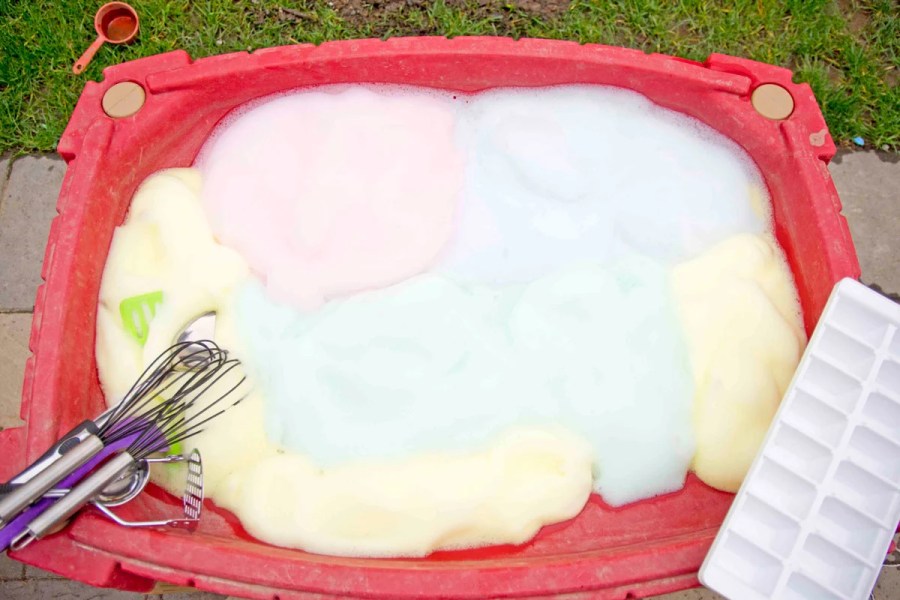
This bubble foam play is a backyard favorite for a reason. Whip water and tear-free bubble bath into thick fluffy foam, then add it to a water table or bin for sensory fun. Kids stay busy a long time scooping, mixing, and searching for hidden toys in the bubbles. It builds sensory exploration, imagination, and fine motor skills—and yes, they usually end up cleaner than they started.
Get the full Bubble Foam recipe and tips at Busy Toddler here!
22. Outdoor Color Match Game

This outdoor color match game is a fun way to mix learning with movement. Set colored buckets, balls, or markers around the yard, then have kids run matching items to the right color. It builds color recognition, listening skills, and following directions while giving them a great chance to burn energy. Add frog hops, bear crawls, or silly walks to make it even more fun.
Check out the full Outdoor Color Match setup at Two-daloo here!
23. Spray Bottle Painting

This spray bottle painting is art and hand exercise all in one. Fill spray bottles with watered-down paint, hang paper on a fence or easel, and let kids create colorful masterpieces. Squeezing the trigger builds hand strength, coordination, and endurance while they paint. It’s also a fun way to explore color mixing and creativity with a little extra movement built in.
Check out the 3 different spray bottle painting techniques at Early Learning Ideas here!
24. Human Alphabet Dance
This body alphabet activity is a fun way to practice letters through movement. Kids use their bodies to form letter shapes by copying different poses. It builds letter recognition, body awareness, balance, and focus as they slow down and control their movements. It’s a great option when kids need to move, but not necessarily run wild through the house.
Watch the full Human Alphabet Song by Happy Learning here!
25. DIY Backyard Splash Pad
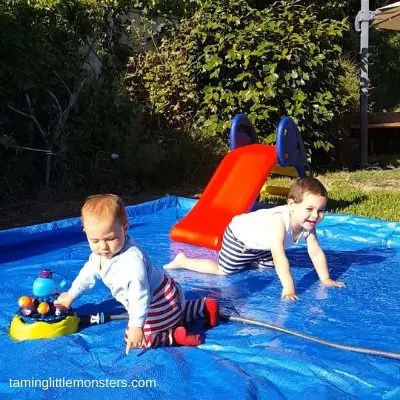
This DIY splash pad is perfect for hot summer days. Use a tarp and pool noodles to make a simple water play area where kids can run, jump, slide, and splash. It gives them great gross motor play while helping them stay cool outside. Add a sprinkler or a small slide if you want to make it even more exciting.
Get the full DIY Splash Pad tutorial at Taming Little Monsters here!

Creative & Sensory Filler Activities: Easy Inside Toddler Activities at Home
Sometimes you don’t need a giant energy burner; you just need twenty minutes of peace to get the dishes done or check your email while the kids stay occupied at the kitchen table. These low-prep, screen-free filler activities are perfect for those gap moments in your Morning or Afternoon blocks. They are designed to engage your child’s senses and creativity with simple supplies you likely already have in your pantry or craft closet.
1. Dry Pasta Sorting Tray

This pasta sorting tray is a simple table activity when you need a few peaceful minutes nearby. Give kids different dry pasta shapes and let them sort them into a muffin tin or divided tray. It builds fine motor skills, early math thinking, and sorting skills as they compare shapes and textures. Add a scoop or tongs later to make it more challenging.
See the full Pasta Sorting setup and tips at Play Teach Repeat here!
2. Life Skills Pouring Station

This pouring station is a great quiet activity for the kitchen table. Set out a few cups, pitchers, or measuring cups on a tray and let kids pour water back and forth. It builds hand-eye coordination, fine motor control, and real-life practical skills. The repetitive pouring is calming for many kids, and the tray keeps cleanup easy.
See the full Pouring Station setup and tips at Busy Toddler here!
3. Shaving Cream Table Paint

This shaving cream paint is a fun sensory activity that feels exciting but cleans up easily. Mix shaving cream with a little washable paint and let kids swirl, spread, and create with their hands or simple tools. It builds fine motor skills, creativity, and sensory exploration through hands-on play. Press paper onto the finished swirls if you’d like to make an easy marbled art project too.
See the full Shaving Cream Paint tutorial at A Pop of You here!
4. Sticky Note Search

This sticky note hunt is one of those easy activities that saves the day. Write letters, numbers, colors, or shapes on sticky notes and hide them around the room or house. Kids get movement, problem-solving, and learning all at once as they search for what you call out. It’s simple to set up and easy to adjust for different ages.
Check out the different ways to play the Sticky Note Hunt at Little Learning Moments here!
5. Kitchen Scrap Stamps

Potato stamps are a classic for a reason. Cut a potato in half, carve simple shapes or letters, and let kids stamp with paint or ink. It builds fine motor skills, creativity, and early shape recognition while keeping little hands busy at the table. Kids also love the surprise of seeing each design appear on the paper.
Check out the full Potato Stamp tutorial at DIY Danielle here!
6. Contact Paper Table Collage

This contact paper collage is a great stay-put activity for the table. Tape contact paper sticky side up and let kids add tissue paper, ribbon scraps, pom-poms, or nature finds like leaves. It builds fine motor skills, creativity, and independent play without the mess of glue. When they’re done, hang it in a window for an easy homemade sun catcher.
Check out the full Contact Paper Collage setup and tips at Active Littles here!
7. Playdough “Bakery” Station

This playdough bakery is a simple way to turn regular playdough into a long-lasting activity. Set out playdough with cupcake liners, a muffin tin, candles, and little items for sprinkles or decorations. Kids build fine motor skills, creativity, and pretend play as they roll, pat, and design their treats. It’s a great kitchen table activity that can keep them busy for quite a while.
See the full Cupcake Dough setup and tips at The Keeper of the Memories here!
8. Ice Cube Painting

These ice crayons are a fun warm-weather activity for the table. Freeze colored water in an ice tray with popsicle sticks for handles, then let kids “paint” as the ice melts across the paper. It builds sensory awareness, creativity, and early color mixing skills in a hands-on way. Set everything on a tray for easy cleanup and let them enjoy something a little different.
Check out the full Ice Cube Painting tutorial at One Little Project here!
9. Rainbow Rice Sensory Bin
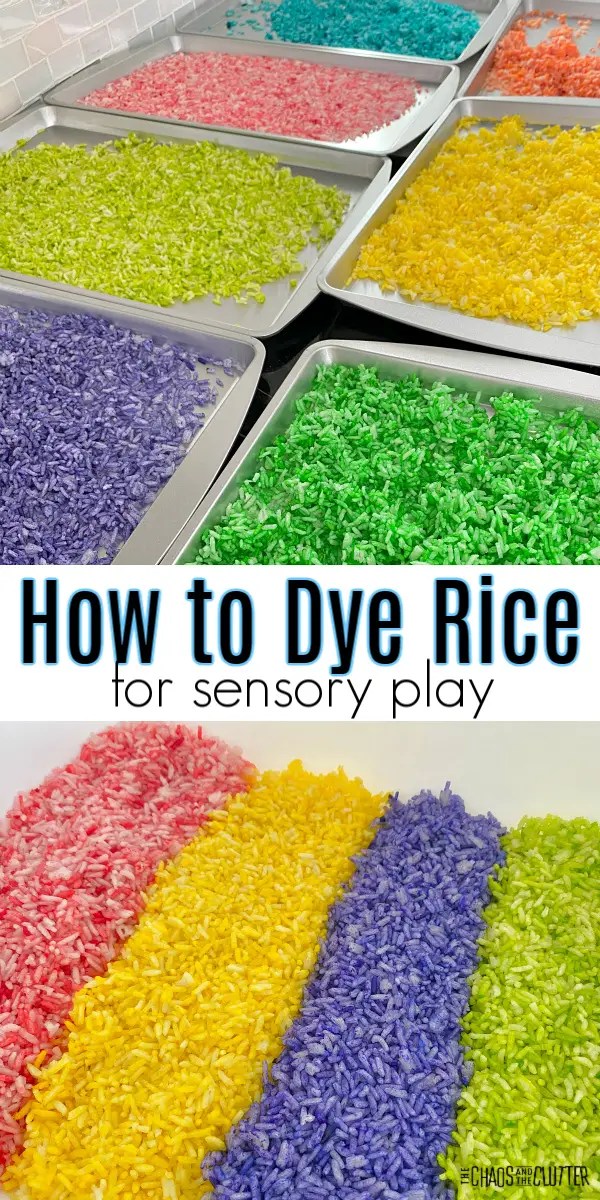
Colored rice bins are popular for a reason—they keep kids busy for a long time. Dye dry rice with food coloring, let it dry, and store it for sensory play you can use again and again. Kids build fine motor skills as they scoop, pour, sift, and search for hidden treasures. It’s a great quiet-time activity for the table when you need them happily focused nearby.
Check out the full Rainbow Rice tutorial at The Chaos and the Clutter here!
10. Button Pipe Cleaners

This button threading activity is simple, quiet, and great for table time. Give kids buttons and upright pipe cleaners to thread through the holes, or shape the pipe cleaners into a little tree for extra fun. It builds fine motor control, hand-eye coordination, and concentration. You can also turn it into a color matching game by sorting buttons onto the right pipe cleaner.
Check out the full list of Button and Pipe Cleaner activities at Live Like You Are Rich here!
11. Cardboard Box Car

This cardboard box car is one of those simple ideas kids never forget. Give them a box big enough to sit in, plus markers or crayons to decorate it. Add paper plate wheels or a steering wheel if you’d like. It builds creativity, problem-solving, and imaginative play—and once it’s made, they’ll often stay happily busy “driving” for a long time.
Get the full Cardboard Box Car tutorial and tips at Your Modern Family here!
12. Sifting for Treasure

This treasure sifting activity is a great quiet option for the kitchen table. Hide coins, beads, jewels, or other little treasures in a bowl of clean sand or flour, then give kids a sifter or slotted spoon to search with. It builds fine motor skills, focus, and problem-solving as they dig and discover. Change the treasures anytime to match whatever they’re currently excited about.
Check out the full Treasure Sand tutorial at Things to Share and Remember here!
13. Dot Marker Art Station

Do-a-dot printables are one of the easiest table activities to keep on hand. Print a few pages, set out dot markers or stickers, and you have an instant low-mess activity. It builds fine motor skills, hand-eye coordination, and early learning through letters, numbers, colors, or themed pictures. Perfect for keeping little hands busy while you get something done nearby.
Check out the massive library of free Do-a-Dot pages at Two Pink Peonies here!
14. Foil Relief Art & Sculptures

Aluminum foil art is a simple activity that feels new and interesting to kids. Give them a few sheets to crinkle, fold, shape, or wrap over cardboard cutouts. It builds fine motor skills, creativity, and sensory awareness through the shiny texture and fun sounds. Best of all, it keeps little hands busy at the table with almost no cleanup.
Check out the full Foil Art tutorial and tips at Kids Activities Blog here!
15. Sticker “Lines” Activity

Sticker line tracing is one of those easy activities kids love. Draw straight, curvy, or zig-zag lines on paper and let them place stickers along the path. It builds fine motor skills, hand-eye coordination, and concentration through the peel-and-stick motion. It’s mess-free, quick to set up, and great for buying yourself a few peaceful minutes nearby.
Check out the full Sticker Lines tutorial and tips at Kids Kubby here!
16. Colander Pipe Cleaners

This upside-down colander activity is a simple favorite for table time. Flip a colander over, hand kids a pile of pipe cleaners, and let them poke them through the holes. It builds hand-eye coordination, fine motor control, and concentration because they have to slow down and aim carefully. Best of all, it uses things you likely already have in the kitchen and keeps little hands busy for a while.
Check out the full Colander and Pipe Cleaner setup at Mess for Less here!
17. Cereal Necklaces

This cereal threading activity is a classic for a reason. Give kids round cereal and a piece of yarn or a pipe cleaner, then let them thread each piece on one by one. It builds hand-eye coordination, focus, and the pincer grasp little hands need for everyday skills. Best of all, it’s low-prep, fairly mess-free, and they get to eat their work when they’re done.
See the full Cereal Necklace setup and tips at A Little Pinch of Perfect here!
18. Salt Tray Writing

This salt tray is a wonderful way to practice letters, shapes, and pre-writing skills without needing paper or pencils. Pour a thin layer of salt into a tray or baking sheet, then let kids draw with their finger or a paintbrush. It builds fine motor control, early writing confidence, and sensory awareness. The best part is how easy it is to shake the tray smooth and start again.
Check out the full Salt Tray tutorial and tips at Happy Hooligans here!
19. Animal Bath Station

This animal wash station is a fun mix of sensory play and real-life skills. Set out a bin of soapy water with plastic animals, a washcloth, and an old toothbrush for scrubbing. It builds fine motor skills, sequencing, and imaginative play while kids happily clean their toys. Add a second bin for rinsing if you want to stretch the activity even longer.
Check out the full Animal Bath setup and tips at I Can Teach My Child here!
20. Cotton Ball Scoop

This cotton ball transfer activity is a simple way to buy a little quiet table time. Give kids cotton balls and tools like a spoon, scoop, or tongs, then let them move the “snowballs” from one container to another. It builds hand-eye coordination, fine motor control, and concentration because those light cotton balls can be surprisingly tricky to handle. Add a muffin tin or egg carton if you’d like to work in counting and sorting too.
Check out the full Cotton Ball Scoop setup and tips at Fun-A-Day here!
21. Tape Rescue Mission

This tape rescue activity is one of those simple ideas that works surprisingly well. Tape small animals, cars, or toys to a tray or table with painter’s tape, then let kids “rescue” them. It builds fine motor strength, finger dexterity, and problem-solving as they peel the tape back. It’s mess-free, quick to set up, and great for buying yourself a few quiet minutes nearby.
Check out the full Tape Rescue setup and tips at Busy Toddler here!
22. Flashlight Shadow Puppets

This flashlight shadow play is a fun quiet activity for slower parts of the day. Give kids a flashlight and a few simple objects like animals, utensils, or their own hands, then let them make shadows on the wall or floor. It builds imagination while teaching early concepts like light, distance, and size. It’s low-prep, calming, and easy to do in one small space while you work nearby.
Check out more Shadow Play tips and ideas at Play to Learn Preschool here!
23. Colored Water Transfer

This color mixing station is a great way to buy some quiet table time. Set out two containers of colored water and a third empty one, then let kids scoop and pour between them. It builds fine motor control, hand-eye coordination, and early science skills as they discover new colors by mixing. The pouring is calming for many kids, and a tray underneath keeps cleanup easy.
Check out the full Colored Water Transfer setup and tips at Hands On As We Grow here!
24. Cooking with Ice

This is a classic Making Mommas trick I used with my own boys and now use with my grandson.
It’s the perfect kitchen floor activity because toddlers get to safely copy what you’re doing while you make supper. Fill a large bowl or bin with ice and add a few real kitchen tools like measuring cups, whisks, ladles, or small bowls.
Kids love scooping, stirring, pouring, and hearing the clink of the ice. It builds fine motor skills, sensory play, and imaginative play while keeping them happily busy nearby.
Cleanup is easy—just dump the water when the ice melts.
Grandma Tip: Reusable plastic ice cubes are even better if you don’t want puddles on the floor. They’re colorful, don’t melt, and can be used again and again.
25. Pipe Cleaner Snakes

This pipe cleaner snake craft is a cute little activity that also works those hand muscles. Twist two colors together, then coil them into a snake shape around a finger or pencil. It builds fine motor coordination, finger strength, and focus while kids create something fun to play with after. It’s mess-free, simple to set up, and great for the kitchen table.
Check out the full Pipe Cleaner Snake tutorial at Cindy DeRosier here!
Educational Filler Activities (Learning Through Play)
The beauty of these ideas is that they feel like a game to your child, but they are actually building the foundation for future homeschooling or preschool success. Whether you are practicing pincer grasp with a sticker or one-to-one correspondence with an egg carton, these activities make learning a natural part of your daily flow.
1. Alphabet Cookie Sheet Match

This magnetic letter tray is a simple way to practice letters while you work nearby. Use a cookie sheet with magnetic letters and an alphabet mat, or draw letters right on the tray with dry-erase marker for kids to match. It builds letter recognition, visual discrimination, and fine motor skills as they handle and place each letter. It’s low-prep, hands-on, and a great quiet activity for the morning.
Check out the full Alphabet Cookie Sheet tutorial and printables at HeidiSongs here!
2. Muffin Tin Toss & Learn

This muffin tin toss game is a fun way to mix movement with learning. Add letters, numbers, or sight words to the bottom of muffin tin cups, then let kids toss in a ping-pong ball, pom-pom, or small toy. It builds hand-eye coordination, aim, and focus while practicing early academic skills. Change what’s in the cups anytime to match what they’re learning right now.
Check out all the Muffin Tin Game variations at Mombrite here!
3. Color Sorting Parking Lot

This color sorting game uses toys you already have, which makes it a win. Lay colored paper on the floor or table, then have kids gather cars, blocks, or animals and place them on the matching color. It builds color recognition, visual discrimination, and early sorting skills. Kids stay busy hunting for pieces while you get a few things done nearby.
Check out more color sorting ideas at Teaching Littles here!
4. Shaving Cream Letter Tracing

This shaving cream writing tray makes letter practice feel like play. Spread a thin layer of shaving cream on a tray or washable table and let kids write letters with their finger. It builds fine motor memory, pre-writing skills, and sensory confidence in a low-pressure way. Best of all, they can smooth it over and start again as many times as they’d like.
Check out the full Shaving Cream tutorial and more at Gift of Curiosity here!
5. Color Scavenger Hunt

This color hunt is an easy way to get kids moving and learning at the same time. Give them a simple list of colors and have them find one object in the house or yard that matches each one. It builds observation skills, color recognition, and real-world vocabulary. Best of all, it takes almost no prep and works indoors or outside.
Check out the free Color Scavenger Hunt printable at Life Over C’s here!
6. Sticky Tape Shapes

This tape shape game turns the floor into a hands-on learning space. Use painter’s tape to make big shapes like circles, squares, and triangles, then let kids jump in them, crawl the edges, or run to the one you call out. It builds gross motor skills, listening skills, and shape recognition through movement. A fun way to learn without sitting still.
Check out the full Sticky Tape Shapes tutorial at Happy Toddler Playtime here!
7. Water Painting the Porch

This water painting activity is simple, fun, and almost mess-free. Give kids a cup of water and a paintbrush, then let them paint letters, shapes, or pictures on the sidewalk or porch. It builds large motor control, pre-writing skills, and creativity. Kids love watching their artwork slowly disappear in the sun and starting all over again.
Check out the full Water Painting benefits and tips at Empowered Parents here!
8. Animal Sound Bingo

This animal sound bingo is a fun way to build listening skills through play. Use animal bingo cards, then make the animal sounds instead of saying the names. Kids listen closely, identify the sound, and find the matching picture on their board. It builds auditory discrimination, focus, and quick thinking—and preschoolers usually think it’s hilarious when you really commit to the mooing.
Check out the free Animal Bingo printables at Free Preschool Printables here!
9. Counting Snack Time

This snack counting game is a smart way to turn snack time into quick learning. Use number cards with matching circles, then have kids place one cracker or cereal piece on each spot. It builds one-to-one correspondence, counting skills, and fine motor control. And yes, getting to eat the math pieces at the end is a pretty great reward.
Check out the free Snack Math printables at Fun-A-Day here!
10. Sink or Float Science Station
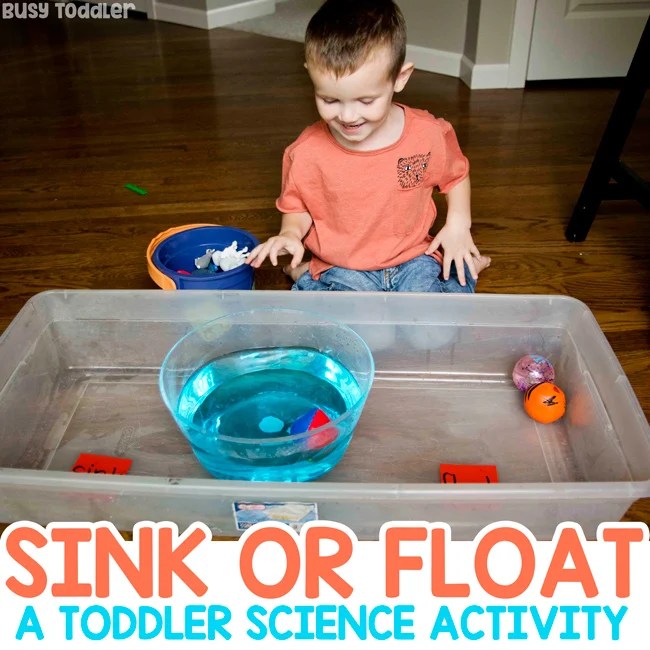
This sink or float activity is a classic for a reason. Fill a bin with water and gather a few household items like spoons, blocks, or toy cars, then let kids guess what will happen before they test each one. It builds critical thinking, observation skills, and early science habits like making predictions. Kids love the instant results and surprise factor.
Check out the full Sink or Float experiment at Busy Toddler here!
11. Button Snake

This button snake activity is a fun way to practice real-life buttoning skills. Kids thread felt squares onto a ribbon with a large button, building their “snake” one piece at a time. It builds finger strength, coordination, and patience through hands-on practice. It’s quiet, portable, and great for table time, waiting rooms, or taking along on the go.
Check out the full Button Snake tutorial at Happy Hooligans here!
12. Name Recognition Tracing

This sticker name tracing activity makes learning their name feel fun. Write your child’s name in large letters, then let them place stickers along each line to trace it. It builds fine motor control, letter recognition, and name familiarity through hands-on repetition. It’s mess-free, simple to set up, and great for focused table time.
Check out the full Sticker Name Tracing tutorial and tips at Hands On As We Grow here!
13. Pasta Threading
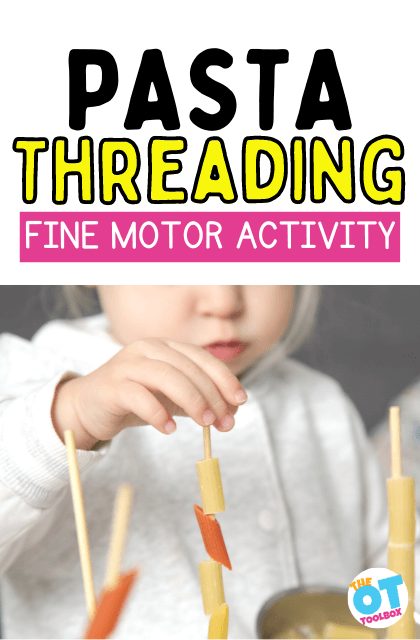
This pasta threading activity is wonderful for building the hand strength kids need later for writing. Press straws or dry spaghetti into playdough, then let kids thread pasta noodles onto the poles. It builds fine motor control, bilateral coordination, and fingertip precision. It’s a simple table activity that keeps kids focused for a good stretch of time.
Check out all the pasta threading variations at The OT Toolbox here!
14. Sensory Bin Alphabet Dig

This alphabet sensory bin is a fun way to sneak learning into play. Hide magnetic letters in cornmeal or rice, then let kids sift and search to find them. It builds fine motor control, letter recognition, and concentration while they play. The scooping and sifting is calming for many kids, which makes this a great independent activity while you work nearby.
Check out the full Alphabet Sift and Find tutorial at Busy Toddler here!
15. Big and Small Sort

This block sorting game is a simple way to teach size and early math thinking. Give kids a pile of blocks and have them sort them into big and small groups. It builds observation skills, categorizing, and comparing objects by size. Once they get the idea, you can switch it up and sort by color or shape next.
Check out more sorting ideas at Hands On As We Grow here!
16. Pattern Making with Blocks

This block pattern game is a fun way to teach sequence and early math skills. Start a simple pattern with blocks like red, blue, red, blue, then ask kids what comes next. It builds logic, observation, and fine motor control as they place each piece. You can make it harder anytime by adding more colors or trickier patterns.
Check out the full Block Patterning tutorial at Hands On As We Grow here!
17. Ice Cube Melting Race

This ice melt experiment is a fun way to introduce simple science at the kitchen table. Put ice cubes in a muffin tin, then test what melts them faster using things like salt, sugar, or warm water. It builds observation skills, prediction-making, and early understanding of cause and effect. Kids love the race to see which ice cube disappears first.
Check out the full Ice Melting tutorial and findings at The Chaos and The Clutter here!
18. Shadow Matching

This shadow matching game is a great way to build the visual skills kids need for reading later on. Match each colorful picture to its black-and-white shadow card. It builds observation skills, visual discrimination, and early logic. You can play it as a simple match-up game or turn it into memory by flipping the cards over.
Check out the free Shadow Matching printables at ESL Vault here!
19. Feather Blowing

This feather flyer activity is a simple way to explore wind and movement. Place a feather into the end of a straw and let kids blow to see how far they can make it fly. It builds breath control, coordination, and early science concepts like force and direction. Kids love testing different feathers or seeing whose flies the farthest.
Check out the full Feather Experiment details at Life Over C’s here!
20. Cardboard Box Tunnel

This cardboard box tunnel is a fun way to turn an extra shipping box into active play. Open both ends, write numbers, letters, or colors inside, and let kids crawl through on a mission. It builds gross motor strength, body awareness, and listening skills as they move to the spot you call out. Learning feels a lot more fun when it involves crawling through a tunnel.
Check out the full Cardboard Box Tunnel tips at Picklebums here!
21. Lacing Cards

This lacing card activity is a classic for building the hand skills kids need later for sewing and writing. Give them cards with holes around the edges and a shoelace or yarn to weave in and out. It builds fine motor precision, hand-eye coordination, and patience. It’s quiet, portable, and perfect for the table or couch while you finish your coffee.
Check out more fine motor tips and free lacing card ideas at Homeschool Giveaways here!
22. Sock Matching Game

This sock matching game is a fun way to build visual skills through play. Print and cut out the sock cards, then have kids find the matching pair. It builds observation skills, pattern recognition, and attention to detail. You can keep it simple with a few pairs or use the whole set for more of a challenge. Add clothespins and a little clothesline for extra fine motor fun.
Check out the free Matching Socks printables at My Party Design here!
23. Alphabet Flashlight Cave

This flashlight alphabet hunt turns simple learning into an adventure. Tape letter or number cards around a darker room, then hand kids a flashlight and let them search. It builds visual scanning skills, letter recognition, and focus while making practice feel exciting. Swap in numbers or sight words later as they grow.
Check out the full Alphabet Cave setup and variations at What Can We Do With Paper And Glue here!
24. Tissue Paper Suncatchers
This tissue paper stained glass craft is a beautiful low-prep activity kids love. Let them place colorful tissue paper pieces onto wax paper brushed with glue or Mod Podge. It builds fine motor control, creativity, and hand-eye coordination as they pick up and place each piece. Once it dries in a sunny window, the glowing colors feel a little magical.
Check out the full Tissue Suncatcher instructions at Bright Kid Fun here!
25. Oil and Water Bubbles

This oil and water experiment feels like magic to preschoolers. Fill a clear container with oil, then use a dropper to add colored water and watch the droplets form little bubbles that sink. It builds fine motor control through dropper work while teaching early science concepts like density and liquids that don’t mix. Kids love watching it happen over and over again.
Check out the full Oil and Water experiment at Busy Toddler here!
Household & Collaborative Fillers: Learning Life Skills Together
Let’s be honest: a stay-at-home mom’s day isn’t just crafts and cute activities. There’s laundry to fold, floors to sweep, and supper to make.
If you wait until the kids are fully occupied before starting housework, you’ll end up doing everything during your only quiet moments.
One of the best shifts I ever made was letting my kids join in.
These little household helper activities aren’t just chores. They build confidence, fine motor skills, responsibility, and that good feeling of being part of the family team.
Instead of mom is busy, it becomes we’re doing this together.
1. Matching Socks

Having kids help with laundry is about so much more than clean clothes. When a preschooler matches socks, they’re practicing pairing, sorting, and noticing small differences.
It builds fine motor skills, focus, and early math thinking in a simple everyday way.
And honestly, the real win isn’t a perfectly finished basket. It’s teaching them that everyone in the family can help and that work can be done together.
Check out the Toddler Time Sock Match tutorial at I Can Teach My Child here!
2. Dusting

A little dusting job can keep kids busy and make them feel proud. Wiping a low table, shelf, or baseboard builds hand strength, coordination, and focus.
It also teaches kids to notice their space and care for it.
Give them a soft cloth and one small area to clean. Simple jobs like this help children feel capable and included.
Check out the Montessori Dusting activity guide at Northwest Montessori here!
3. Silverware Sorting

Sorting silverware is one of the easiest real-life jobs to hand over to kids. Matching spoons with spoons and forks with forks builds sorting skills, visual discrimination, and early logic.
It also works on fine motor control as they place each piece carefully where it belongs.
Set the clean silverware where they can reach it, and let them take ownership of the job. Kids usually love feeling trusted with real work.
Check out how to turn cutlery sorting into a Montessori learning activity at Aplainr here!
4. Watering Plants

Watering plants is a calm little job kids often love. Carrying a small pitcher or using a spray bottle builds steady-hand coordination, focus, and gentle control.
It also teaches kids how to care for living things and notice what they need.
Give them a child-sized watering can and show them how much water to use. It’s a simple way to build confidence and responsibility.
Check out how to sneak learning into watering the plants at The Foodies here!
5. Washing Windows

Window washing is a kid favorite for a reason—water and a spray bottle. Hand them a small bottle of water and a cloth or squeegee, and let them get to work.
Spraying and wiping builds shoulder strength, arm control, coordination, and the bigger muscles kids need later for writing.
It also gives them that proud feeling of seeing something dirty become clean because of their own work.
Check out the step-by-step guide for Window Washing at Montessori Portal here!
6. Potato Scrubbing

Helping scrub vegetables is a great kitchen job for little ones. Washing potatoes or carrots gives kids sensory play with a real purpose, and they usually take the job very seriously.
It builds hand-eye coordination, persistence, and confidence.
It can also help picky eaters feel more interested in trying foods they helped prepare. Hand them a brush, a bowl of water, and let them get to work.
Check out the step-by-step guide for Scrubbing a Potato at Voilà Montessori here!
7. Returning Library Books
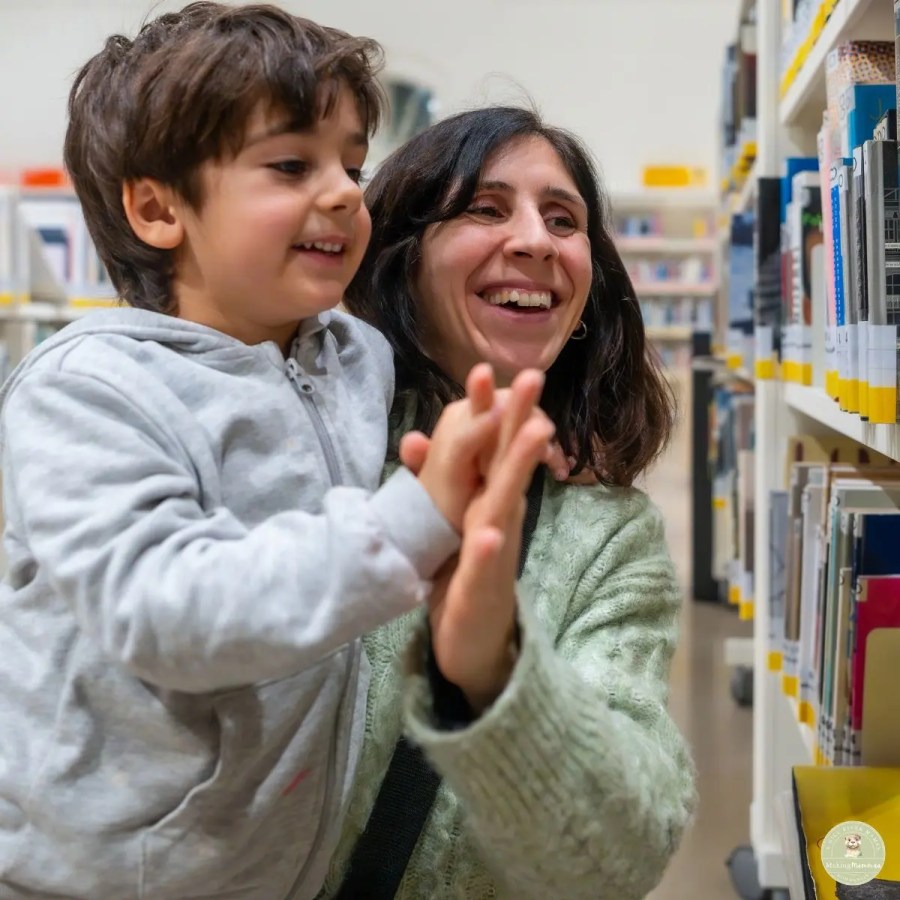
Making library returns their job can turn a simple errand into something special. Have kids gather books from their spot at home and place them in the return bag when it’s time to go.
It builds responsibility, routine, memory, and follow-through.
Letting them carry the bag or drop the books in the return slot gives them a proud little “big kid” moment they’ll remember.
8. Table Setting

Setting the table teaches more than most people realize. When kids learn where the plate, cup, napkin, and silverware go, they’re practicing spatial awareness, memory, and following a sequence.
It also helps mark the shift into supper time and gives them a real role in the family routine.
Use a placemat guide if needed, and let them take ownership of the job. Kids love feeling helpful when dinner is on the way.
Check out the step-by-step Montessori Table Setting guide at Montessori Portal here!
9. Sweeping

Handing a child a small broom and dustpan can turn crumbs into a real job they’re excited to do. Sweeping builds coordination, hand-eye control, and the ability to use both sides of the body together.
It also teaches persistence, because getting every crumb takes patience.
Try taping a small square on the floor and asking them to sweep everything into the box. That clear target helps kids stay focused and finish the job.
Check out the step-by-step guide for Sweeping at Montessori Portal here!
10. Getting Groceries

Bringing kids into the grocery trip can make an ordinary errand feel important. Ask them to help find two or three simple items like apples, bread, or bananas.
They’re building focus, observation skills, vocabulary, patience, and learning how stores work.
Most of all, they feel like part of the team instead of just being dragged along. That alone can change the whole trip.
Check out the guide to building Montessori skills at the store from The Montessori Notebook here!
11. Muffin Tin Prep
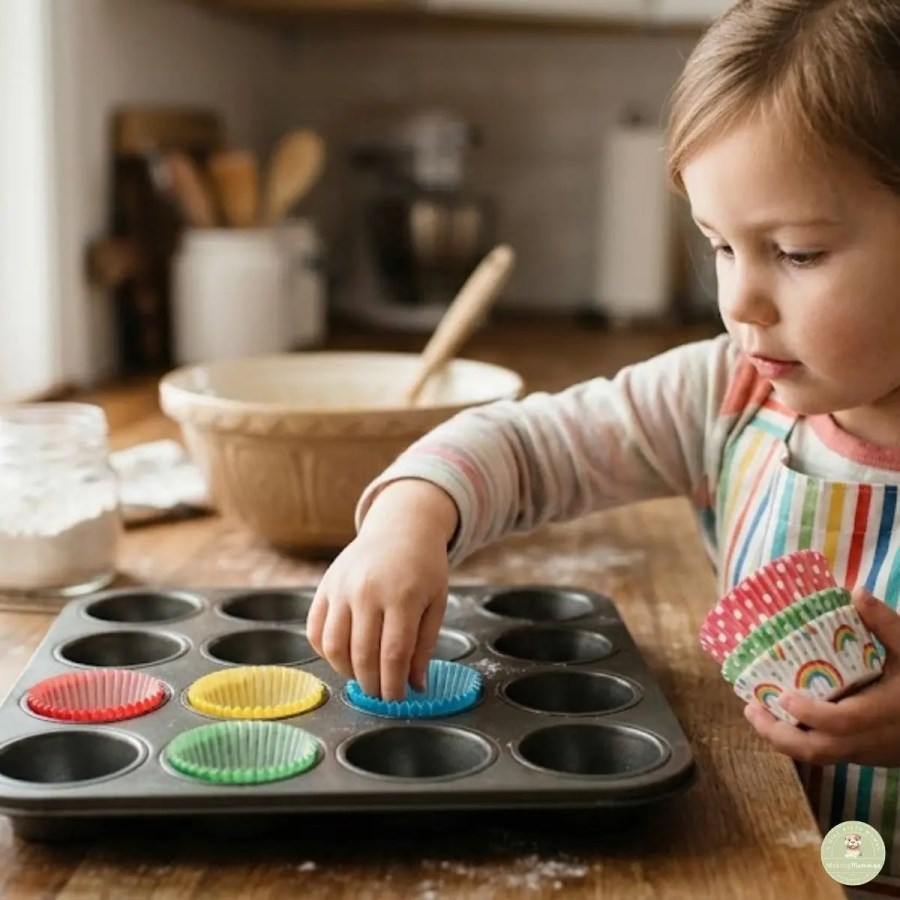
If you’re baking, let kids be in charge of the muffin liners. Placing paper liners into the tin is a simple job that feels important to them.
It builds fine motor skills, pincer grasp strength, counting, and attention to detail.
You can ask them to count out twelve liners or make a color pattern if you’d like. Small jobs like this make kids feel included before the baking even starts.
12. Getting The Mail
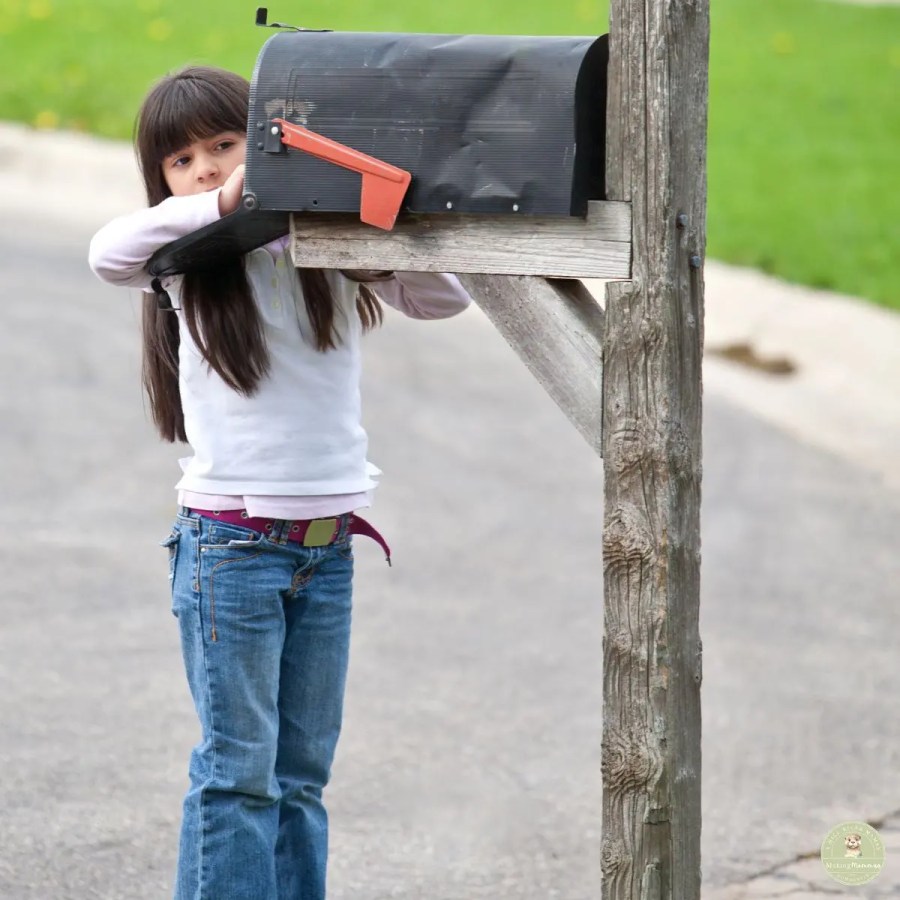
The walk to the mailbox is a simple little routine that can help break up the day. Let your child be the mail carrier and bring the safe mail back to the house.
It builds leg strength, patience, and the ability to follow a routine.
Kids also love having a steady daily job they can count on. Small responsibilities like this often become favorite memories.
13. Refilling the Keurig
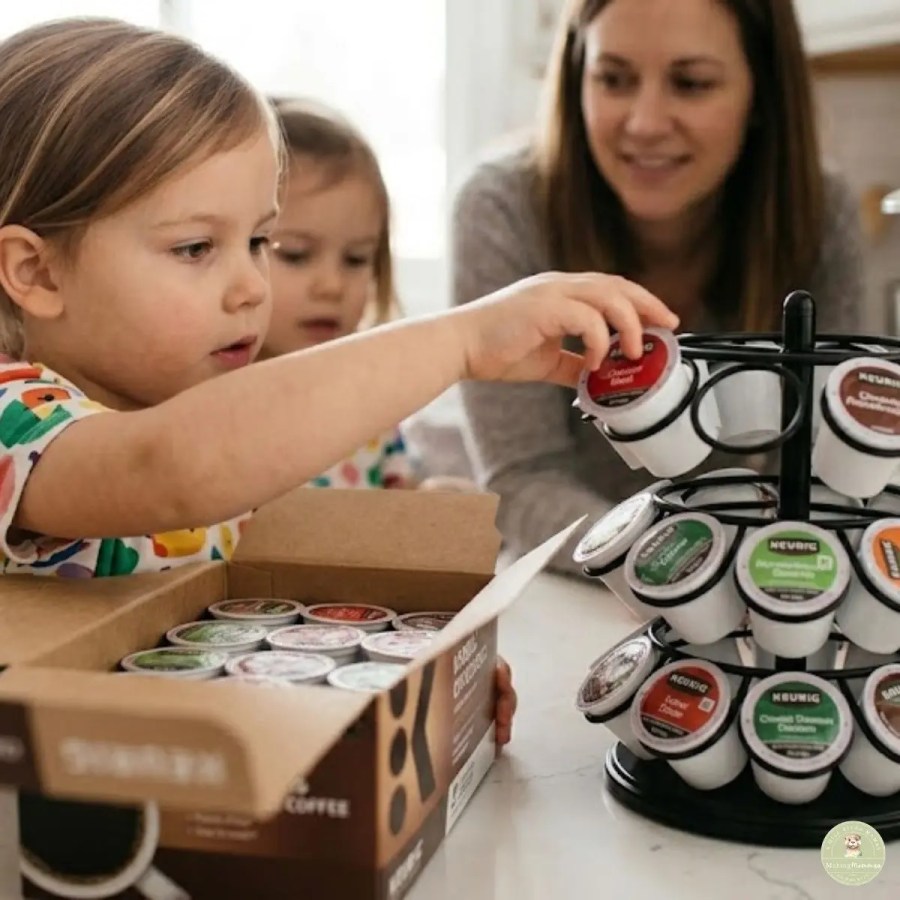
If you use coffee pods, this can be an easy little helper job. Let kids place the pods into the drawer or carousel one by one.
It builds fine motor skills, hand-eye coordination, sorting, and spatial awareness as they fit each pod into place.
You can sort by flavor, color, or turn all the labels the same direction. Simple grown-up jobs like this make kids feel trusted and included.
14. Feeding The Pets

Helping feed a family pet is one of the best little jobs for kids. Scooping food into the bowl teaches routine, responsibility, and caring for something that depends on them.
It can also build early math skills through measuring and following directions.
Use a scoop with a fill line if needed, and let them take ownership of the task. Kids often feel so proud being the one who helps care for the dog or cat.
Check out the guide to creating a Montessori pet care station at Dannico Woodworks here!
15. Organizing The Spices

If your spice drawer needs help, kids can be surprisingly good assistants. Matching jars to their spots and lining them up is a quiet job that many preschoolers enjoy.
It builds visual discrimination, sorting skills, categorizing, and fine motor control.
You can ask them to group tall jars, match lid colors, or help put everything back in order. It’s a simple way to teach that everything in a home has a place.
16. Folding Towels

Folding towels is a great beginner chore for little hands. Matching corners and folding cloths in half teaches symmetry, coordination, and spatial reasoning.
It also builds fine motor control and gives kids a real way to help.
Start with washcloths or hand towels first. Small jobs like this teach children how to care for their home and be part of the family flow.
Check out the step-by-step guide for folding at Montessori Portal here!
17. Vacuuming
Using a handheld vacuum can make cleanup feel fun instead of frustrating. Let kids target crumbs under the table or little messes on the floor after meals.
It builds coordination, focus, independence, and that satisfying feeling of finishing a job.
Show them how to move slowly and cover one area at a time. Kids often take a lot of pride in helping make the space clean again.
Watch this quick Montessori crumb vacuuming demo on TikTok here!
18. Pantry Inventory
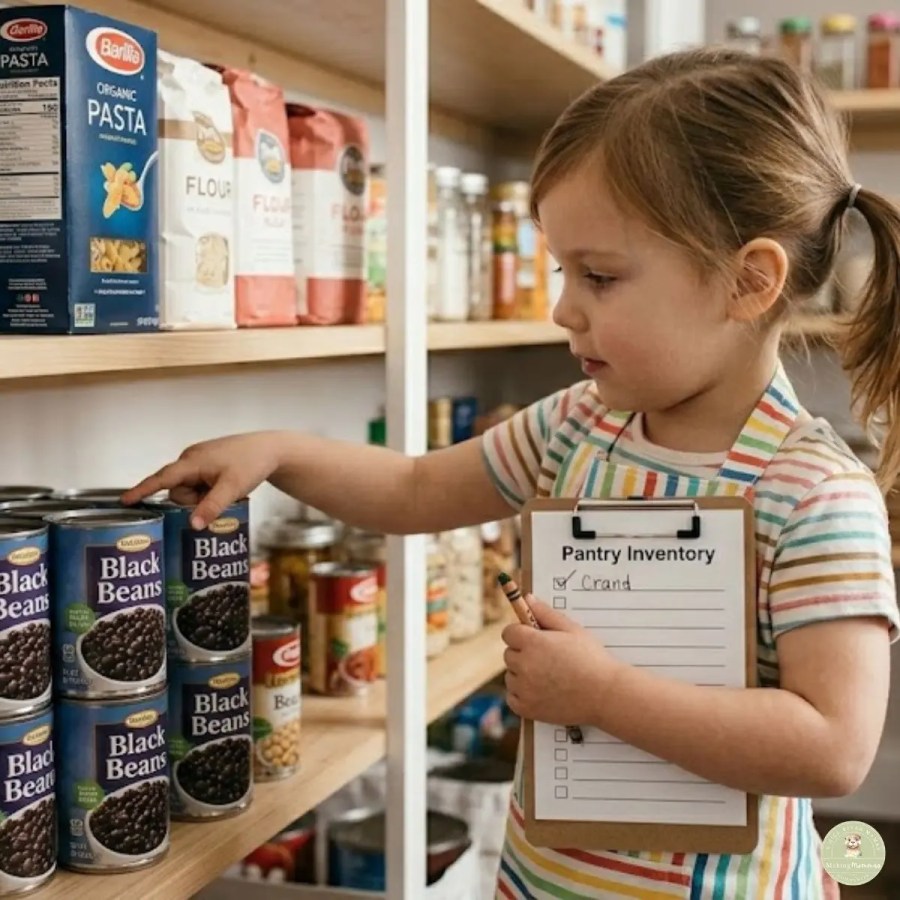
Checking the pantry can feel like a game to kids while teaching real skills. Ask them to count cans, find all the pasta boxes, or help group similar items together.
It builds counting skills, categorizing, focus, and spatial awareness.
You can also have them help stack new groceries by size or place things neatly on the shelf. It’s a simple way to show how a home stays organized and prepared.
19. Peeling Clementines

Peeling oranges or clementines is a wonderful quiet activity when the day starts to slow down. It turns snack time into something hands-on and meaningful.
It builds hand strength, fine motor coordination, concentration, and patience.
If needed, start a small tear in the peel to help them begin. Letting kids prepare their own snack builds confidence and independence.
Check out the guide to peeling clementines at Voilà Montessori here!
20. Sanitizing Door Knobs
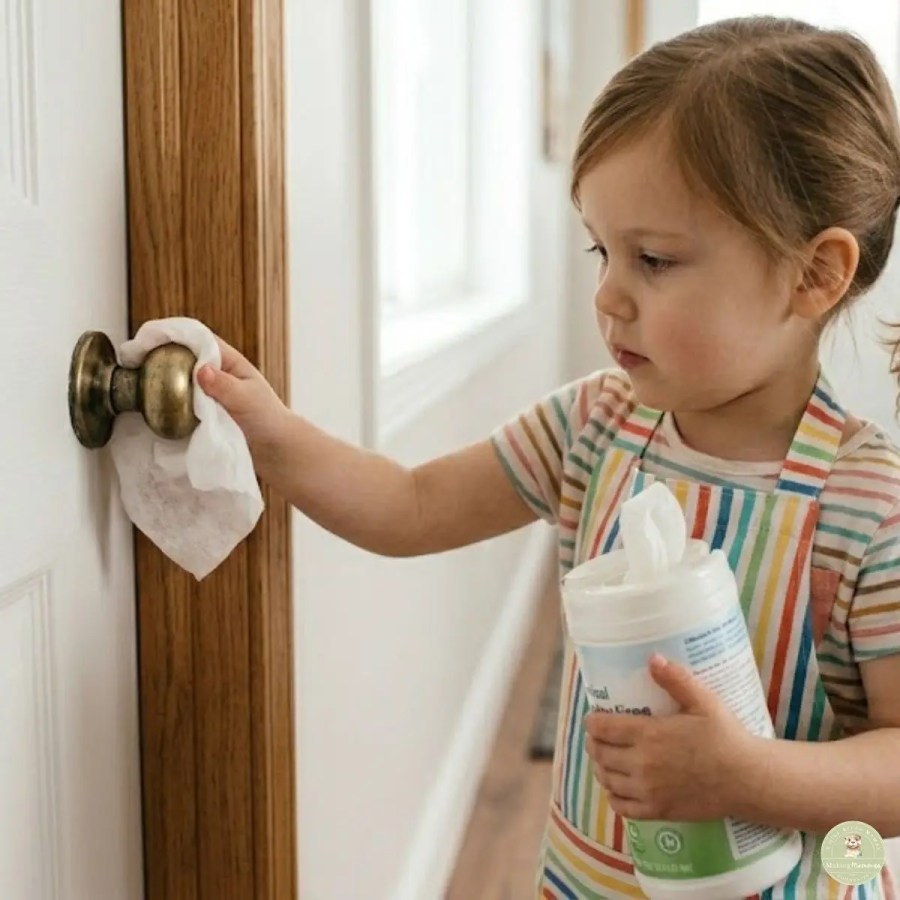
Wiping doorknobs can feel like an important mission to kids. Hand them a safe wipe and let them make a round through the house cleaning knobs and handles.
It builds wrist strength, coordination, focus, and care for their environment.
Show them how to wipe in circles and switch wipes when one dries out. Small jobs like this help kids feel like they’re truly helping the family.
21. Matching Shoes
If the entryway is full of scattered shoes, let your child be the shoe matchmaker. Finding the pair for each boot or sneaker feels like a game to most kids.
It builds visual discrimination, attention to detail, matching skills, and a sense of order.
Pull the loose shoes into one pile and let them find each partner. It’s a simple helper job that can make getting out the door much smoother.
See a great example of the shoe matching life skill on Instagram here!
22. Lining The Garbage Can

Replacing a small trash bag is a surprisingly good little job for preschoolers. Opening the bag and stretching it over the rim takes both hands working together.
It builds coordination, problem-solving, and care for the home.
Start with small bathroom or office cans first. Kids feel proud when they can handle a real task that helps keep the house fresh and tidy.
23. Weeding

I know this one sounds funny, but kids usually love a real outdoor job.
Turn weeding into a scavenger hunt by asking them to find one specific weed—dandelions, clover, or whatever is taking over this week. Then let them spot and pull every one they can find.
It builds focus, observation skills, and hand strength without feeling like work.
This is a great morning activity when everyone needs fresh air and a reset before lunch. Best of all, kids get to see that even little hands can do meaningful work and truly help.
Check out the weeding scavenger hunt guide at Denver Urban Gardens here!
24. Wiping Up Spills
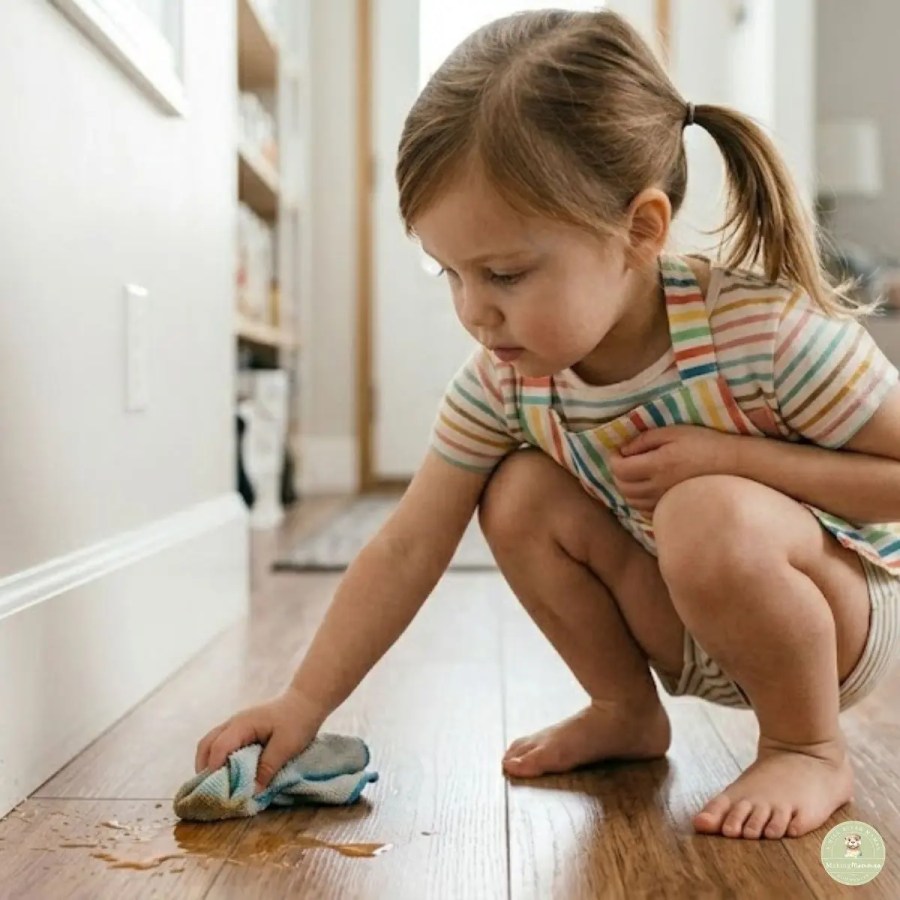
If your kitchen floor has sticky spots, mystery drips, or little messes that appeared out of nowhere, this one is for you.
Hand your child a damp cloth or safe wipe and make them the Splat Scout. Their mission is to find every spot they can and wipe it clean.
Kids are often great at this because they notice things from their lower view—crumbs under chairs, drips by the dog bowl, and smudges we walk right past.
It builds attention to detail, movement, and responsibility while giving them a real job that matters.
And honestly, when everyone helps with the small messes, the whole house feels easier to manage.
25. Putting The Toys To Bed

If cleanup time turns into a daily battle, this simple shift can help.
Instead of telling kids to pick up the toys, invite them to help put the toys to bed after a long day of playing.
Blocks go in their bin. Stuffed animals head to bed. Cars park in the garage. Dolls rest on the shelf.
It turns cleanup into part of the evening rhythm instead of a showdown.
This builds responsibility, routine, and that sense of finishing one part of the day before moving into the next.
Sometimes the gentlest routines are the ones that work best.
The Work of Play: Where Real Learning Happens

Play is not a break from learning. For preschoolers, play is the work.
We often picture learning as worksheets, desks, and sitting still. But for young children, real learning happens on the rug, in the backyard, at the kitchen table, and inside cardboard boxes.
This is where they build the foundations they’ll use for years to come—independence, creativity, cooperation, confidence, problem-solving, and emotional regulation.
You do not need to entertain your child all day to help them learn.
Sometimes learning looks like joining in and guiding a game. Sometimes it looks like stepping back and letting them lead. Sometimes it looks like giving them space to play on their own and use their imagination.
Many of the ideas below work beautifully in your morning or afternoon blocks and can help the day flow in a natural, productive way.
When kids play, they are learning how the world works—and how they fit into it.
Pretend Play & Roleplay
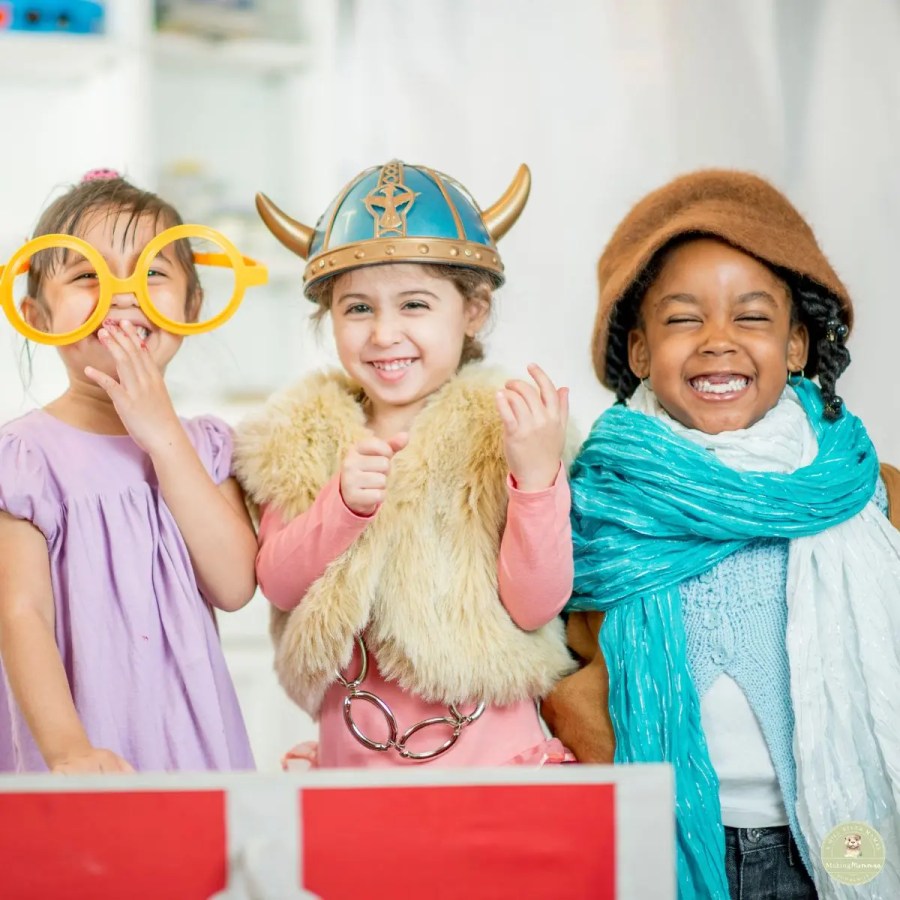
Pretend play is some of the most important work of the preschool years. It’s how children make sense of the world around them and practice what they see in everyday life.
When kids play house, store, doctor, restaurant, or superheroes, they’re building imagination, language skills, problem-solving, and learning to see things from someone else’s perspective.
That is where empathy and emotional growth begin.
Your job here is simple: set out a few props, create the opportunity, and step back.
You don’t need to run the story. Their imagination already knows what to do.
Playing House
This is classic preschool play for a reason. Kids practice family routines, caring for others, and the everyday rhythms that keep a home running. It also builds language, empathy, and imagination.
Restaurant
Playing restaurant teaches manners, taking turns, and social skills. Kids also practice memory and sequencing as they take orders, cook food, and serve customers.
School
Playing school helps children explore both leading and following. They practice listening, routines, and confidence when they become the teacher.
Doctor or Vet
This kind of play builds empathy in a big way. Caring for a stuffed animal or checking someone’s heartbeat helps kids practice kindness, comfort, and noticing the needs of others.
Fire Station, Cops and Robbers, or Superheroes
These active games let kids explore bravery, protection, and helping others. They build confidence, teamwork, and big imagination.
Camping in the Living Room
Indoor camping is wonderful for creativity and problem-solving. Kids work together to build a shelter, gather supplies, and imagine life in a new little world.
Collaborative Play (Working Together)
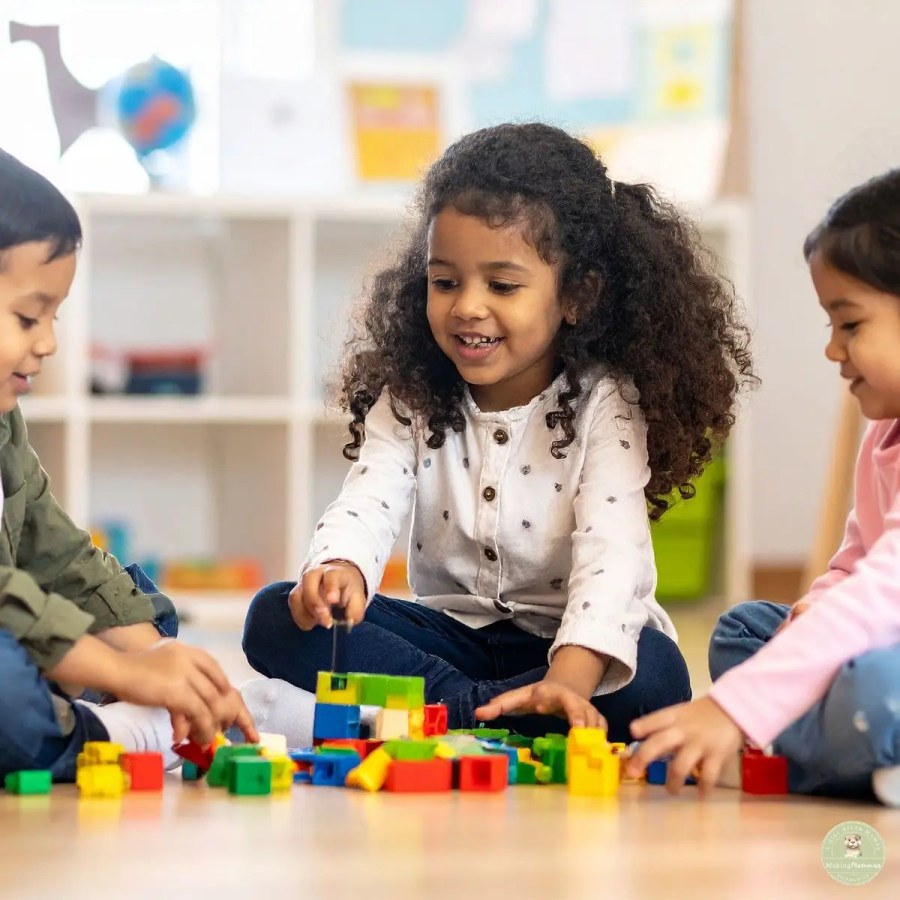
Collaborative play is where kids begin learning how to truly work with other people.
This is the stage where they move beyond just playing beside each other and start sharing ideas, taking turns, solving disagreements, and working toward a common goal.
These are big life skills.
Teamwork, communication, patience, flexibility, and conflict resolution often begin right here in play.
Your role is not to control every moment or fix every disagreement right away.
Often, the best thing you can do is offer a project that naturally needs more than one set of hands, then step back and let them figure things out together.
Giant Floor Puzzles
Large puzzles build logic and spatial skills, but they also teach teamwork. Kids learn to talk through ideas, take turns, and enjoy finishing something together.
Collaborative Mural
Tape up a big sheet of paper and let everyone add to it. Sharing one canvas teaches cooperation, creativity, and how to make room for other people’s ideas.
Block City Construction
Building a city together is full of learning. Kids practice planning, negotiating, sharing space, and solving problems when towers fall or roads need to move.
The Floor Is Lava
This classic game teaches teamwork through movement. Kids work together to move pillows or cushions and help everyone make it across safely.
Dress-Up Parade
Planning a parade helps kids practice cooperation and taking turns. They learn to agree on ideas, share roles, and confidently lead the fun.
Building a Fort
Fort building is one of the best collaborative projects there is. Kids use creativity, communication, and problem-solving as they work together to build a space everyone can enjoy.
Mom-Led Play (Learning to Follow)

Independent play matters, but mom-led play has an important place too.
When you lead a game, kids practice listening, following directions, waiting their turn, and respecting simple boundaries. Those are the same foundational skills that help later in preschool, kindergarten, sports, and everyday life.
This kind of play also builds impulse control, patience, and attention.
You do not need to lead for hours to make it valuable.
Even ten focused minutes of a simple game can teach a lot and fill a child’s cup in a big way.
These activities work especially well in the morning or afternoon when you have a short window to be fully present and engaged.
Hide and Seek
Hide and seek teaches patience, self-control, and problem-solving. Kids practice staying still and quiet while hiding, then use observation skills when it’s their turn to seek.
Duck, Duck, Goose
This classic game builds turn-taking, listening, and learning to follow rules. It also helps kids practice being a good sport whether they win or lose.
Red Light, Green Light
One of the best games for impulse control. Kids listen closely, move on cue, and stop their bodies quickly when needed.
Simon Says
Simon Says builds listening skills, body awareness, and focus. Kids have to pay attention and sort out which directions to follow.
Simple Board Games
Games like Candy Land or Chutes and Ladders teach turn-taking, counting, following a sequence, and handling little disappointments when things don’t go their way.
Treasure Hunt
A simple treasure hunt builds problem-solving, persistence, and listening skills. Following clues gives kids a goal to work toward and keeps them engaged.
Child-Led Play (Learning to Lead)

In child-led play, the roles switch.
You are no longer the one running the activity. Your child gets to lead, decide, and create.
This kind of play is powerful because it gives kids a sense of ownership and confidence. When they make the rules, assign roles, or build the story, they’re practicing leadership, communication, creativity, and planning.
They are learning that their ideas matter.
Your job here is simple: show up and follow their lead.
Ask, “What are we playing today?” Then let them decide the game, give you a role, and guide the fun from there.
You might be the customer, the puppy, the baby, or the guy who only says one line all day—and that’s perfectly fine.
What Child-Led Play Teaches:
- Leadership & Confidence – Kids learn that their ideas matter and that they are capable of guiding others.
- Planning & Sequencing – When they create the story and assign roles, they practice organizing ideas and thinking through what happens next.
- Communication & Negotiation – They learn how to explain their ideas, keep others engaged, and adjust when things don’t go exactly as planned.
- Mastery of Their Environment – When they turn the living room into a hospital or construction site, they learn how spaces and everyday objects can be used creatively to meet a goal.
The Home Director Strategy: When you step into child-led play, leave your fix-it hat at the door. If they say the kitchen is in the hallway, then the kitchen is in the hallway. If the dog is the doctor and you’re the baby, go with it. Following their lead validates their creativity, builds confidence, and gives them space to practice being the one in charge for a while.
Independent Play (Building Self-Reliance)

Independent play is one of the greatest gifts you can give a child.
It’s the moment you step back and let them take center stage on their own.
This is not “doing nothing.” It’s deep learning work.
When kids play independently, they use imagination, solve problems, make decisions, work through boredom, and learn how to create fun without needing an adult to run the show.
When you say, “Go play,” and step away, you’re giving them the chance to trust their own ideas and abilities.
That kind of confidence matters for life.
What Independent Play Teaches:
- Self-Reliance – Kids learn they are capable of entertaining themselves and do not need a screen or an adult to direct every moment.
- Extended Attention Span – Without constant interruption, children often learn to stay focused on one project for longer stretches of time.
- Creative Problem Solving – When a tower falls or the train track will not fit, they learn to try new solutions on their own.
- Emotional Regulation – Time spent in their own play helps children learn to calm themselves, process feelings, and feel secure in their own space.
The Home Director Strategy: Don’t feel guilty for not being the playmate! Your job is simply to ensure the toy room is safe and the toys are accessible. If they seem “bored,” resist the urge to suggest an activity. Boredom is often the doorway to the most creative independent play. If they truly hit a wall, try a Toy Rotation. Simply swapping out which bins are available can make “old” toys feel brand new, sparking a fresh round of independent exploration.
Frequently Asked Questions
Every family is different, and no routine works exactly the same in every home. These common questions can help you take these ideas and make them work for your own season of life.
How many filler activities should I plan each day?
Usually one or two is plenty. Usually one in the morning block and one in the afternoon block is good enough. And only if you have a gap to fill.
What if my child will not play independently?
Independent play often starts small. Begin with 5–10 minutes and stay nearby. Many children build this skill slowly over time. If you need help, read my post “How to Encourage Independent Play“.
Are filler activities the same as a schedule?
No. Your schedule is the structure of the day. Filler activities are things you can drop in to the empty slots in your day. They help the day flow between meals, naps, errands, and routines.
What age are these activities best for?
Most of these ideas work well for toddlers and preschoolers, usually ages 2–5, with simple adjustments.
What if my child gets bored easily?
That is normal. Rotate toys, keep activities simple, and remember boredom often comes right before creative play begins.
Do I need expensive toys or sensory bins?
Not at all. Many of the best activities use bowls, tape, socks, cardboard boxes, water, or things you already own. But I have a Sahm Toy Guide, if you want to invest in a few toys to help.
How do I make a stay at home mom routine more realistic?
Start by thinking in rhythms instead of rigid hourly schedules. Use natural anchors like breakfast, lunch, naps, errands, and bedtime to break your day into simple blocks, then let each block have its own general focus. That gives you structure without the pressure of following the clock.
I walk through this step-by-step in my post, How to Create a Daily SAHM Routine Using Time Chunking. It’s one of the easiest ways to make your days feel calmer, more flexible, and much more realistic with kids at home.
At the End of the Day

At the end of the day, your home is about so much more than chores, crafts, routines, or getting through the schedule.
It’s where your family is being built.
Yes, having a plan for those in-between moments helps. It can make the day smoother, calmer, and a whole lot easier. But the real goal was never just to keep everyone busy or check boxes.
The real goal is connection.
When your child helps wipe cupboards, gathers toys, hunts for splats on the floor, or sits beside you during a quiet filler activity, something bigger is happening. They are learning they belong here. They are learning they matter. They are learning they can help, contribute, and be part of family life.
That changes everything.
Instead of feeling like it’s Mom versus the chaos, it starts to feel like all of you working through the day together.
These little fillers and rhythms are practical tools, yes. But they are also invitations to work side by side instead of constantly pulling against each other.
So if the towels are folded crooked, the craft looks nothing like the picture, or a few toys got left behind tonight, let it go.
If you chose connection over constant frustration, it was a good day.
You are building a strong family in ordinary moments, and those moments matter more than you think.
More Stay-at-Home Mom Routine Ideas
If you’re trying to build calmer days at home, these posts can help you create routines that feel realistic, flexible, and family-centered.
Why Your Stay-at-Home Mom Routine Isn’t Working (And How to Fix It) breaks down the common reasons routines fall apart and the simple shifts that can make home life run smoother.
Beyond the Schedule: The 4-Block Daily Rhythm for a Calm SAHM Routine shares a gentle way to structure your day using flexible blocks instead of watching the clock.
How to Create a Stay-at-Home Mom Schedule That Actually Works shows how to build a daily plan that works with real children, interruptions, and changing seasons of motherhood.
17 Board Games for Social Skills to Help Your Child Live a Successful Life gives fun screen-free ways to build cooperation, patience, communication, and emotional skills through play.
65 Free Ways To Spend Time With Your Family – At Home is packed with simple ideas to connect, laugh, and make memories without spending extra money.
You do not need a perfect routine to build a beautiful home life. Sometimes a few better rhythms and simple ideas are all it takes.


